- BLEEP WAVE
- Posts
- Energizing the Future: The Bold Leap Forward in Renewable Energy Innovations
Energizing the Future: The Bold Leap Forward in Renewable Energy Innovations

ZEL
January 23, 2024
Energizing the Future: The Bold Leap Forward in Renewable Energy Innovations

Introduction
Our planet stands at a crossroads, where the decisions we make today will define the environmental legacy we leave for future generations. Amidst this pivotal moment, there's a beacon of hope and progress: renewable energy. No longer a niche player in the global energy arena, renewables have taken center stage in our collective quest for a sustainable future.
The Current State of Renewable Energy
Globally, renewable energy is experiencing unprecedented growth. According to the International Energy Agency (IEA), renewables accounted for almost 30% of global electricity generation in 2021, a figure that is continually rising. Countries like Iceland, Norway, and Costa Rica are leading the way, generating most of their electricity from renewable sources. In these nations, energy systems that were once heavily reliant on fossil fuels are undergoing a transformation, driven by a mix of policy initiatives, technological advancements, and societal commitment to sustainability.
Innovations in Solar Power

Solar power, a cornerstone of the renewable revolution, has witnessed significant technological breakthroughs. The development of perovskite solar cells, for instance, is a game-changer. These cells are not only more affordable than traditional silicon-based cells but also more versatile, potentially being used in windows and flexible materials. Furthermore, floating solar farms, which harness solar energy on the surface of reservoirs and lakes, are solving land-use challenges while reducing water evaporation, a dual benefit that exemplifies the innovative spirit of renewable energy solutions.
Wind Energy's Giant Strides
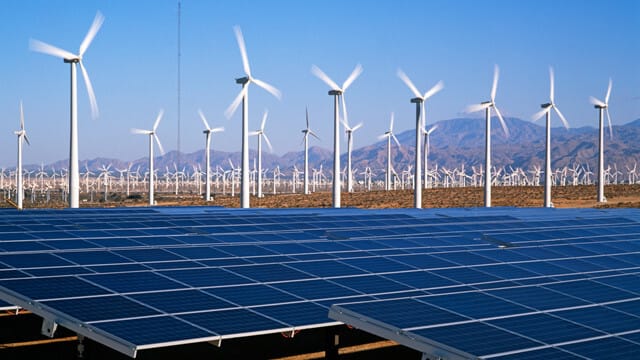
Wind energy's evolution has been equally impressive. Modern wind turbines are now taller, with longer blades, capturing wind energy more efficiently. The advent of offshore wind farms is particularly exciting. These installations, situated out at sea where winds are stronger and more consistent, have the potential to generate vast amounts of energy. The world's largest offshore wind farm, Hornsea One, located in the UK, can power well over a million homes, showcasing the immense potential of wind energy.
The Surge in Hydropower

Hydropower, one of the oldest sources of renewable energy, is innovating to reduce its environmental footprint. The introduction of small-scale, "run-of-the-river" hydro systems is a significant advancement. Unlike large dams, these systems do not require substantial flooding of land, thereby minimizing ecological disruptions. They represent a more sustainable approach to harnessing the power of water.
The Promise of Geothermal Energy

Geothermal energy is tapping into the Earth's vast reservoirs of thermal energy more effectively than ever before. Enhanced Geothermal Systems (EGS) are an exciting development in this domain. By drilling deeper and in more locations, EGS can exploit the Earth's heat in regions previously unsuitable for geothermal energy production. This technology holds the promise of a reliable, continuous energy source, unaffected by the vagaries of weather, which plagues solar and wind energy.
Emerging Players: Wave and Tidal Energy

The relentless motion of the oceans represents an untapped renewable energy resource. Wave and tidal energy technologies are still in their infancy but hold immense potential. For instance, the European Marine Energy Centre in Orkney, Scotland, is a testbed for various wave and tidal energy devices, showcasing innovations that could revolutionize how we harness the power of the seas.
Storage Solutions: The Key to Unleashing Renewables' Full Potential
The Achilles' heel of renewable energy is its intermittency. However, advancements in energy storage are addressing this challenge head-on. Lithium-ion batteries are becoming more efficient and affordable, facilitating the storage of solar and wind energy. Additionally, innovative solutions like gravity storage, which uses excess energy to lift weights and then generates electricity as they descend, and hydrogen fuel cells, which store energy in chemical form, are emerging as viable options to ensure a steady supply of renewable energy.
Global Initiatives and Policies Shaping Renewable Energy
The transition to renewable energy is being bolstered by international agreements and policies. The Paris Agreement, for instance, has galvanized global action towards reducing carbon emissions, with many countries committing to ambitious renewable energy targets. Governments worldwide are providing incentives for renewable energy adoption, while private sector investment is also surging, indicating a collective commitment to a greener future.
Challenges and the Road Ahead
Despite the progress, the path to a fully renewable energy grid is fraught with challenges. Infrastructure upgrades, cost implications, and the environmental impact of renewable installations are significant hurdles. Addressing these challenges requires a multifaceted approach, encompassing policy reform, technological innovation, and public-private partnerships.
Conclusion
As we embrace the advancements in renewable energy, it's clear that our journey towards a sustainable future is well underway. Each technological leap forward in harnessing the sun, wind, water, and earth's heat brings us closer to a world where clean, sustainable energy isn't just a vision, but a reality. Our collective efforts in renewable energy are more than just about powering our homes; they're about securing a future where the planet and its inhabitants thrive in harmony.